

Autoflowering Seeds Best Yield
Autoflowering seeds are an excellent option for growers who wish to increase their yields. However, they do require careful planning as well as optimal conditions for the grow room to achieve the most effective results.
To get the most yield from your automobiles you must know how to control the lighting, nutrient management, and temperature extremes. Experience is a great asset.
Easy to grow
One of the greatest things about autoflowering seeds is that they are very easy to grow. All you need to do is follow a few easy steps and you will be able to harvest your own buds within the shortest amount of time.
These are also great for beginners who want to work with their hands in the process of cultivation. If you're new to cannabis cultivation, you will discover that getting your hands dirty and taking care of your buds can be a rewarding and enjoyable experience. It will increase your confidence and improve the feeling you get.
Autoflowering seeds also grow easier than varieties that are photoperiod. They don't require you to manipulate light cycles and you don't have to worry about deficiency of nutrients or pests that could kill your crop.
Another advantage of autoflowers is that they typically require less water than photoperiod plants. autoflower seeds high yield is due to the fact that they have smaller roots than the other plants and therefore don't have to water them frequently. Put your index fingers into the soil, or into potting mix, and water only if it feels dry.
It's normal to anticipate your autoflowers to bloom after 10 weeks. If their trichomes show a milky hue and their pistils have a reddish/brown, they're ready to harvest.
Autoflowering seeds can be grown outdoors or indoors as long as the temperatures stay within the safe limits. This is a great option for those who live in an area in which outdoor cannabis is legal.
A lot of people like autoflowering seeds because they're very easy to grow, and it's an excellent option for those who aren't at ease growing marijuana from scratch. They're also a great way to try out different strains without having to commit to a full grow.
The largest seed bank in the UK, Seedsman, offers a wide selection of autoflowering seeds. They have been in the business since 2002 and have earned a reputation for producing high-quality seeds. They have a wide selection of Sativa and Indica varieties, both regular and feminized.
More harvests
The best autoflowering varieties will give you a wide range of harvests despite having a shorter time. This is due to the fact that you do not need to be concerned about changing the light cycle unlike traditional photoperiod seed.
After you've grown your autoflowers for a while they will begin to display distinct visual changes in their growth that will tell you when it's time to harvest. These changes typically appear as large fan leaves which will start to turn yellow, then brown, and then turn into a curly shape - that's the time to harvest.
This process is also known as "flushing.' It is a crucial step to ensure the highest harvests from your autoflower cultivars. Flushing will help in removing any remaining chemicals in the water, so you can achieve a clean harvest.
Another technique that you can employ to boost the yield of your autoflower is topping. This technique involves removing part of the plant's growth prior to it has reached the flowering stage. However it's a risk. In particular, it is advised to not overwater your plants if they're known to have short life cycles.
If you've overgrown the autoflowering plant, you'll likely want to replace it with a new one, however, you may want to keep the old tip in case you have a new planting opportunity. You could pot it up with a powder for rooting hormones to speed up the germination process, or you may decide to let it ripen for longer and plant it into your next crop.
In general you'll enjoy a greater harvest if you plant your autoflowers on a well ventilated medium (ideally a fabric-smart container) with plenty of space for roots. In addition, it is recommended to avoid extreme temperature swings and extremes of humidity since they can cause stress on the plants and decrease the potential for yield.
Buying autoflowering seeds that were developed to produce large harvests is the best way to ensure that you are getting the best out of your crops. Seed banks with a proven track history of supplying plants that yield high-yielding varieties are the best way to find these types of genetics.
Management is not as light.
Autoflowering seeds are a popular choice for cannabis growers looking to increase their yield. They are less fussy about light requirements than photoperiod seed and can be grown outdoors or indoors.
To reap the most profit from autoflowering seeds you need to select the right seed. In addition, you must employ the most effective cultivation methods. These tips will help to maximize your yield while avoiding any problems that could lead to less.
Additionally, you must also add the proper amount of nutrients to the soil in small doses initially. This is essential because autoflowering plants can be extremely hungry beasts that could cause severe harm to your crops if they are fed too much at one time.
It is essential to ensure that the pH of the nutritional solution is within the appropriate range which can be achieved by using a pH up or down product. The ideal pH for autoflowering plants is 6.0 to 7.0 However, you should always start off with the lowest doses you can and then adjust to the needs of the plant as they develop.
It is important to ensure that your autoflowering seeds receive sufficient sunlight, regardless of whether you grow outdoors or indoors. Cannabis growers are divided over the ideal light schedule for autoflowering plants. However it is recommended to strive for 18 hours of sunshine each day.
Some of the most innovative growers have reported success using 24 hour lighting, but it is important not to overdo it. Even a small amount of light can cause the buds and leaves to die. It is therefore important to keep an eye on autoflowering seedlings during the day and during the dark time.
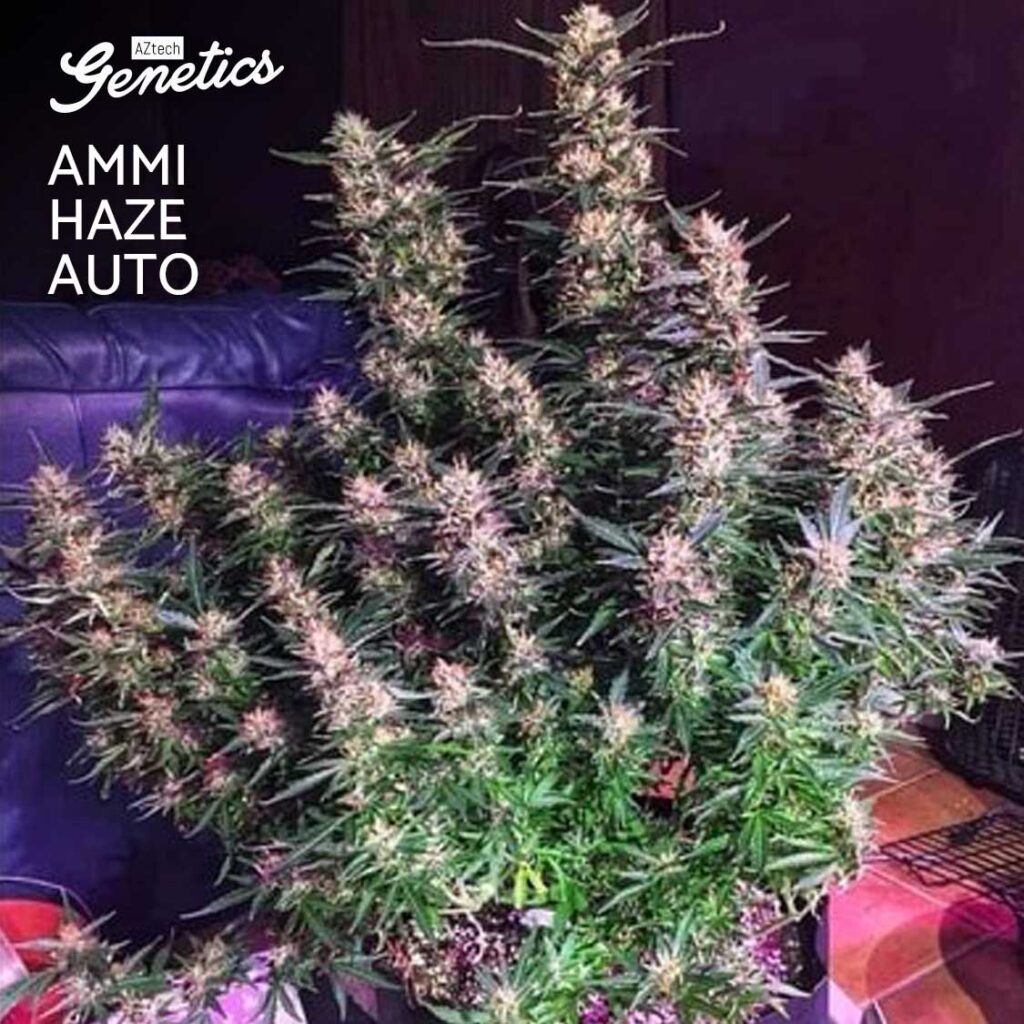
Many growers are using low-stress training methods that include LST (low-stress training) to increase their autoflowering crops' yields. This will also help reduce stress levels, which is crucial for putting out top-quality buds.
Since these plants are fast-growing, they may be susceptible to oxygen deficiency. The best way to accomplish this is to make sure your plants are kept at a temperature between 22 and 23 degC which will allow them breathe easier and promote their healthy growth. You should also ensure that you water your autoflowering seedlings often to increase oxygenation.
Faster growth
Autoflowering seeds best yield is dependent on their genetics and grower's skill level. Buying top quality genetics bred to produce stable plants with good yields is a essential for any farmer who wants to achieve maximum success.
Many growers make the mistake of putting autoflowering seeds in the ground too early. This can result in the vegetative growth time being shorter and a lower final harvest. The best time to plant autoflowers is at least 8 weeks after the seed's germination and, in most cases, closer to the end of the season.
Growers can also give their plants a few weeks in the indoors to soak up the ideal lighting conditions prior to putting them outside. This will help them grow bigger and increase their yields.
Some growers prefer to dig the soil and aerate before planting their autoflowering plants. This can be done by using various ingredients like lime, blood/bone/fish meal or seaweed. It is also an excellent idea to give the ground the time to decay down after aerating, since this can add nutrients to the soil.
Topping is another method that can be used in increasing autoflower yields. This is a high stress method that can result in high yields when done correctly. It is, however, important to be careful when selecting autoflower varieties that are suited to be used for topping.
Some autoflowers, which have a short lifespan, are not suitable for this technique. They could result in a stunted and low yielding plant. In these situations, SCROG screens or low-stress techniques like tying down branches with cord are better suited.